2026-10-14 · Dave Harlan
Step-by-Step Anode Rod Check for Homes in Bothell
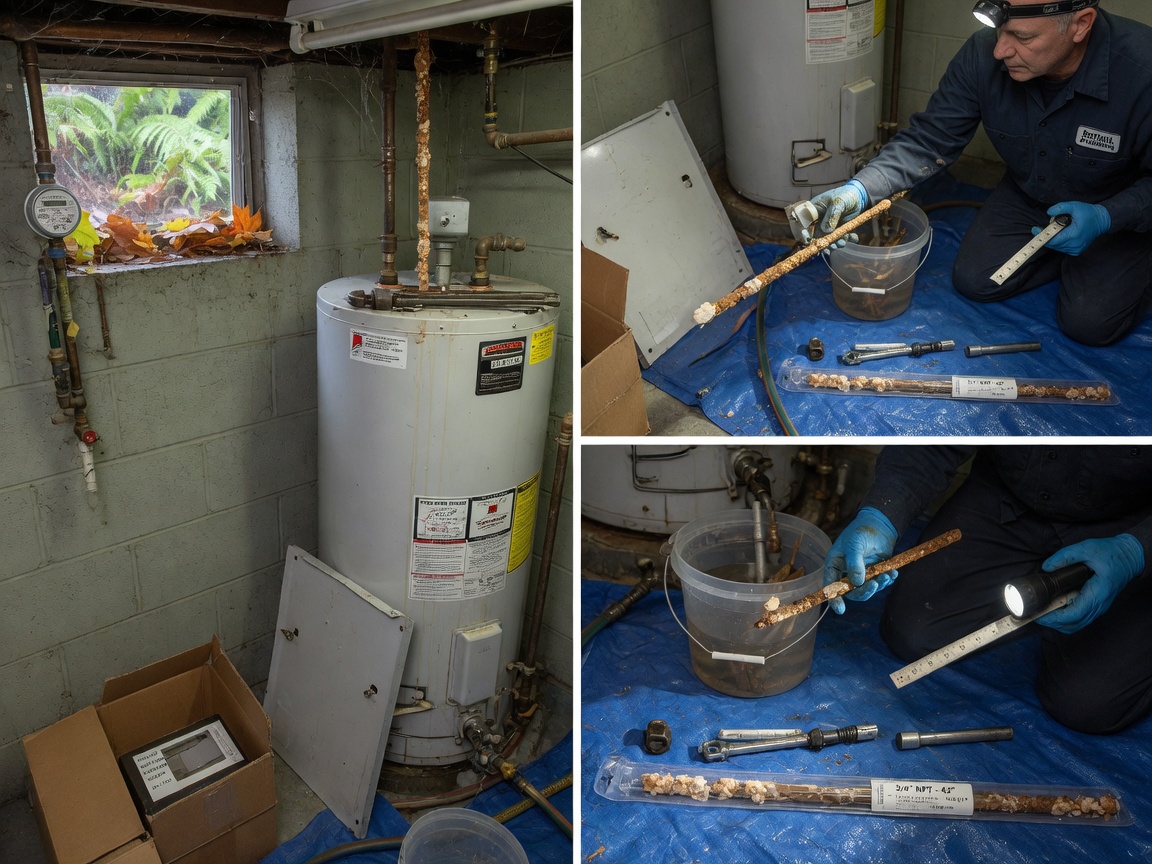
Checking the anode rod on a water heater in Bothell every 2–3 years prevents corrosion from the region’s mild wet winters and can add 5–10 years to tank life before replacement becomes necessary.
Preparing for the Anode Rod Check
Homeowners in Downtown Bothell, Westhill, and nearby Kirkland often deal with 40- to 80-gallon tanks installed in basements or garages that experience steady humidity. Gather a socket wrench set, garden hose, bucket, and replacement rod sized for the tank before starting. Turn off power or gas at the unit and shut the cold-water inlet valve. Attach the hose to the drain valve and run it to a floor drain or outside to empty 5–10 gallons. This step lowers water level so the rod can be removed without flooding. Work during business hours if professional help is needed later, such as Mon–Fri 8am–6pm at 429 212th St SW.
Inspecting the Anode Rod
Remove the hex-head plug on top of the tank using the correct socket size, usually 1-1/16 inch. Pull the rod straight up; it will be 3–5 feet long and covered in white or gray mineral scale after 3–5 years. Measure remaining diameter at several points. If the steel core shows through more than 6 inches or the rod is thinner than 1/4 inch, corrosion protection is failing. In North Creek and Maywood homes built before 2000, older tanks often need this check sooner because of higher mineral content in the supply. Note any strong sulfur smell, which signals bacteria growth once the rod is depleted. Reinstall the rod if it still has at least half its original thickness and resume normal operation.
Replacing the Anode Rod if Needed
Thread a new magnesium or aluminum-zinc rod into the opening and tighten to 40 ft-lbs. Refill the tank slowly with the cold inlet valve, then open a hot faucet until steady flow returns to purge air. Restore power or gas and check for leaks around the plug. In Woodinville and Kenmore homes with similar soil conditions, many residents choose powered anode rods that last longer in wet winters. Track the date on the tank label so the next inspection falls within the 2–3 year window. Water heater replacement becomes the practical next step once multiple rods have been consumed and sediment has built up.
Local Considerations for Bothell Homes
King County’s comfortable dry summers reduce some scaling compared with wetter months, yet the annual rainfall still accelerates anode consumption in tanks located near North Creek Forest or UW Bothell Campus. Homes in these zones often sit on older plumbing that introduces extra oxygen, shortening rod life. Pair this check with the steps in the sediment buildup guide to catch both issues at once. If the tank shows active leaks during inspection, schedule water heater tank leak repair promptly. Review recent local pricing in What Bothell Residents Pay for Common Water Heater Repairs before deciding between rod replacement and full swap.