2026-10-14 · Dave Harlan
How to Spot Sediment Buildup in Bothell Water Heaters
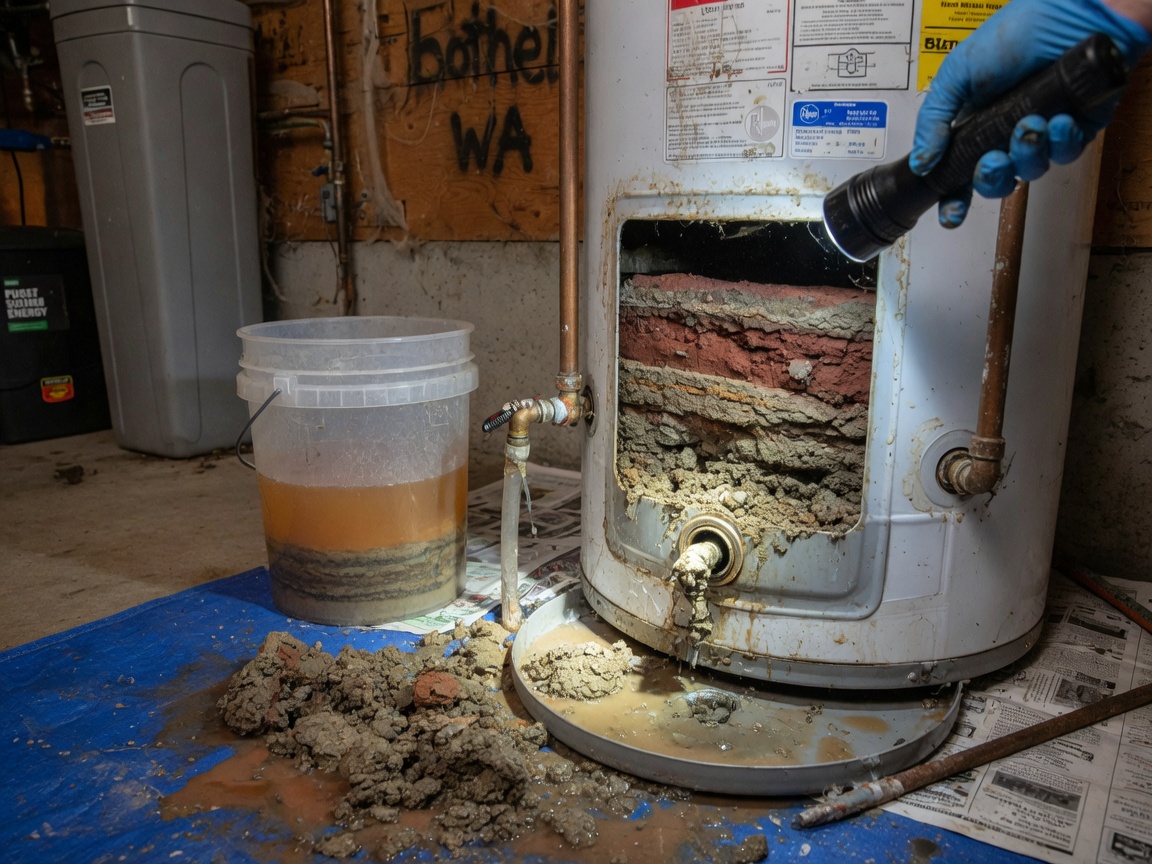
Sediment buildup in Bothell water heaters typically shows up first as rumbling or popping sounds during heating cycles, reduced hot water volume, or longer recovery times between uses. These signs appear after 5–8 years in many King County homes where municipal water carries fine minerals that settle in the tank bottom. Owners in Downtown Bothell and Westhill notice the issue sooner when older 40- and 50-gallon tanks sit in basements that stay cool year-round.
How Local Water Conditions and Weather Speed Sediment
Mild wet winters keep water heaters running steadily from October through March, stirring up minerals that drop and harden on the tank floor. Comfortable dry summers reduce overall demand, yet the sediment layer remains and grows thicker each season. Homes near North Creek Forest or the UW Bothell Campus often sit on older lots where supply lines carry slightly higher mineral content than newer subdivisions in Woodinville or Kirkland. This combination shortens the time before the bottom of the tank reaches 1–2 inches of compacted material, cutting heat transfer and forcing the burner or elements to work harder.
Visible and Audible Clues During Routine Checks
Listen for crackling or popping that starts 30–60 seconds after the burner ignites; these sounds come from steam bubbles pushing through the sediment layer. Watch the temperature at the faucet: water that starts hot then cools quickly indicates the lower heating surface is insulated by debris. In Maywood and North Creek homes, residents also report discolored water or small flakes at the tap after the unit has sat unused overnight. Checking the drain valve every six months reveals gritty or sandy water when a few gallons are flushed; clear flow after the first bucket rules out heavy buildup.
Steps to Inspect Without Draining the Entire Tank
Turn off power or gas, attach a hose to the drain valve, and open it briefly while the tank is still pressurized to sample the bottom layer. Measure the temperature difference between the top and bottom of the tank with an infrared thermometer; a gap larger than 20 degrees signals sediment blocking heat from reaching the upper water. Compare recovery time on a 40-gallon unit against the original spec; anything beyond 45–60 minutes for a full tank points to reduced performance. These checks work well in the dry summer months when outdoor temperatures stay moderate and homeowners are more likely to be in the utility space.
When Sediment Leads to Leaks or Efficiency Loss
Once the layer exceeds two inches, expansion and contraction during daily cycles stress the tank seams and can create pinhole leaks near the bottom. In older Westhill homes this often appears first as dampness around the drain valve. Linking early detection to Water Heater Leak Repair prevents small issues from becoming full replacements. Residents who also read Step-by-Step Anode Rod Check for Homes in Bothell learn how rod condition interacts with sediment to accelerate corrosion. For cost context on common fixes, What Bothell Residents Pay for Common Water Heater Repairs outlines typical ranges without requiring an on-site visit first.
Practical Next Steps for Bothell Homeowners
Schedule a flush during the drier months when access to the unit is easiest and water demand is lower. Keep the area around the tank clear so any future service call can happen quickly. Note the age and gallon rating of the unit on the data plate; tanks over 10 years old in King County warrant closer monitoring even if sounds have not yet appeared. These habits help maintain steady hot water delivery through the wet winters without surprise interruptions.